Read our latest thoughts, takes on what is new, and deep dives.
No resources found for the selected filters.
We asked ChatGPT and Claude 18 buyer questions twice each and were named in 10 of 72 answers. What got us named, what didn't, and what it means for B2B brands.
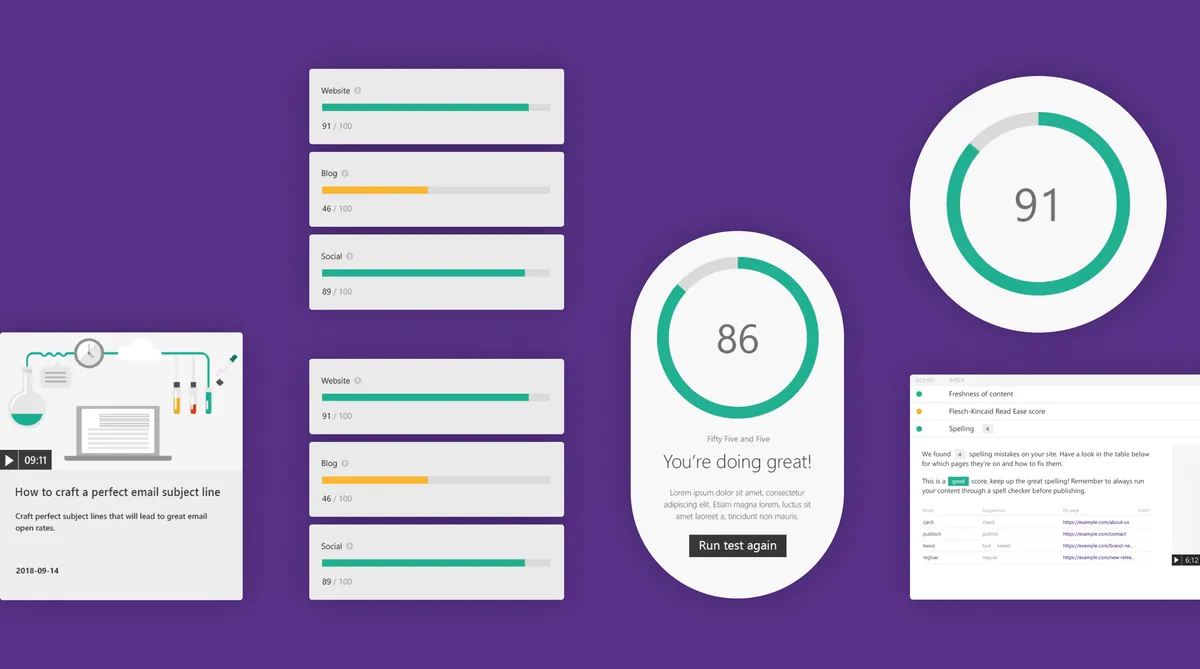
Vendors know what MDF funds each partner claimed, but rarely what the money produced. How we built Microsoft a tool that scored 10,000+ partners' marketing.
The best lead magnet gives buyers an answer about their own business while they're still on the page. Two interactive builds, for Microsoft Surface and Nintex, show how, and AI coding tools have made them much quicker to build.
The easiest AI budget to win is one you already have. Find a line you pay for and don't love, cost the replacement honestly, and answer finance's questions before they ask.
20 tiny tools in a week, built by AI for one job each and then thrown away. What that means for the software a marketing team pays for.
How fast is AI advancing? October 2026 update: every ChatGPT and Claude model since 2022, checked against Epoch AI and METR, and what it means for your team.
AI agents in partner marketing: why partner programmes were always understaffed, the agentic workflows vendors already run, and what teams can now build.
How I use Claude Code as a designer: prototyping UI from a prompt, building design systems with Figma MCP, shipping production work, and when not to use it.
How I use Claude Code as a marketer: the skills I rely on for ABM research, blog writing and social listening, and how to build Claude Code skills of your own.
Cowork, Breeze, Agentforce and Adobe Coworkers all shipped in 60 days. None of them own the plan. Here's what AI agent orchestration actually looks like in 2026.
Is AI recommending your business? How an AI search visibility tool checks ChatGPT, Claude, Perplexity, Gemini and Grok, and how to read what it finds.
What happens when marketing teams build their own AI powered marketing tools: working prototypes in a day, demos that sell, and when to build rather than buy.
A channel partner marketing strategy built on momentum signals, not last quarter's sales: how to find the partners generating revenue you can't see yet.
Query fan out shows what AI search engines actually search for. How to pull the sub-queries from Gemini and OpenAI, sort them and plan content around them.
How to grow channel partner revenue, from real partner marketers: segment by potential, find hidden partner revenue, prove MDF ROI and get content used.
How to audit your partner enablement content, find the small share that drives deals, and push it to partners so unused assets turn into channel revenue.
Why channel management fails when every partner gets the same enablement, and how reading partner signals helps you tailor support and measure it by revenue.
Why marketing development funds often fail to generate pipeline, how MDF allocation rewards persuasion over performance, and how to tie MDF spend to revenue.
GEO vs SEO: SEO gets your pages ranked in Google, GEO gets them cited by ChatGPT, Perplexity and Google AI Mode. Where they overlap, and how to run both.
AI content marketing that earns citations: author profiles, sections that stand alone when AI quotes them, and a five-stage workflow that checks every post.
AI search optimisation: how to build content AI search engines cite, with answer-first sections, named experts, offsite posts and the technical basics.
How to earn AI citations on Reddit, LinkedIn and Quora: why brand mentions beat backlinks, what AI cites on each platform, and how your experts keep up.
A GEO audit checks whether ChatGPT, Claude and Perplexity can crawl, read and cite your site. The seven-point checklist we use, and the AI crawlers to allow.
Account intelligence cuts deep ABM research from 20-40 hours per account to 15-30 minutes, so the same team can cover 100-200 target accounts, not 5-10.
Why buyer intent data rarely tells you who to contact or what to say, and how AI research turns enriched data into insight you can personalise outreach with.
AI agents and ADHD traits, from a founder who runs 20 at once: what holding context does at work, where it goes wrong, and how we use AI at Fifty Five and Five.
AI data enrichment for B2B: how to clean, verify and enrich account and contact records at scale, then turn them into research your ABM can run on.
Data quality issues in B2B: data decay, duplicates and naming chaos, the pipeline problems they cause, and how AI cleans your CRM data at the foundation.
What a Design.md file is, how it carries your design rules into AI assisted design tools like Claude Code and Cursor, and where AI generated UI falls short.
AI content marketing for enterprise teams: how to scale output without losing your brand voice, why strategy matters more than tools, and where automation fits.
AI design systems in practice: machine-readable design tokens, the Figma to code MCP workflow, what AI can automate, and where a designer's eye still matters.
How AI marketing automation works for enterprise teams. Rule-based systems, AI-assisted tools, and agentic platforms that plan and execute.
Most AI marketing platforms are content tools with good branding. A real one plans, executes, and reports. Here's how to spot the difference.
Most AI marketing strategies are tool adoption plans in disguise. A strategy that actually drives pipeline starts with objectives, not tools.
AI sales enablement from the marketing side: how enriched data, AI prospect research and lead generation give your sales team better prospects to call.
How designers are using AI coding tools to build real products: what you can build with an AI app builder, the assistants that work, and how handoff changes.
The AI image generation tools designers actually use: Midjourney vs Adobe Firefly, how to prompt for usable output, and why raw output still needs editing.
AI for designers: where AI prototyping tools help and where they don't, image generation, design systems, and building products with AI coding tools.
Create your AI writing style by crafting a single portable file that reflects your voice, writing habits, and the guidelines for AI usage.
A practical guide to Microsoft MDF for partners: what it is, how it differs from co-op funds, what it covers, and how to claim.
How we rebuilt Fifty Five and Five as an AI-powered agency. The highs, the lows, and what to look for in a modern marketing partner.
An llms.txt file gives AI systems a plain Markdown summary of your website. What goes in one, how it differs from robots.txt, and how to create yours.
Content freshness in SEO: why updating old posts lifts rankings and AI search visibility, which posts to refresh first, and a quarterly audit to keep it going.
Traffic and engagement aren't the same thing. How to measure website engagement, why it matters for SEO and AI search, and ten practical ways to improve it.
SXO, or search experience optimisation, joins SEO, UX and conversion work so the people search sends you actually enquire. What it is and how to start.
Choose the right AI marketing agency by identifying genuine capabilities, evaluating pricing models, and making informed decisions for your B2B business.
How to optimise content for natural language search: how people now search in full questions, writing conversational content, and the technical side of SEO.
ChatGPT for marketing: where it saves B2B teams real time, where it makes things up or sounds like everyone else, and the prompting habits that fix most of it.
How an AI email writer personalises B2B emails at scale, turning a few data points per contact into relevant, human-sounding messages, explained step by step.
Meta AI advertising: how Meta's AI ad tools work today, the risks to brand safety and creative control, and whether UK advertisers should hand over control.
What ROI means in SEO and how to measure it when AI answers and zero-click searches hide the value: direct, assisted and implied returns, and the maths.
Mindset marketing for SEO: why content now targets beliefs, not just keywords, fixed and growth mindsets, finding psychographic patterns and testing copy.
SEO at scale without the mess: what to automate, why structured content matters, using fewer tools, and checks that don't rely on memory as volume grows.
SEO automation done properly: the five jobs worth automating, from technical audits to internal links, and the strategy and editorial calls you never should.
Comparing the best data enrichment tools for B2B: ZoomInfo, Clearbit, Apollo.io, Lusha, Clay, and more. Features, pricing, and accuracy.
Data enrichment tools hide costs behind credits, integration fees, and data decay. What ZoomInfo, Clearbit, and Clay really cost.
ZoomInfo intent data flags companies researching your category. How accurate it is, where the false positives come from, and when it's actually worth using.
ZoomInfo University explained: the Sales, Marketing and Engage certification tracks, the 80% pass mark, how long it takes, and whether it's worth your time.
What is ZoomInfo? A plain guide to the B2B contact database: what it does, what it costs from about $15,000 a year, where it falls short and the alternatives.
AI lead generation: where AI really improves lead scoring and conversion, where it falls short, the tools worth considering and what's emerging next.
ZoomInfo pricing for 2026: Professional from about $15,000 a year, Advanced from $24,000, Elite from $40,000, then the credits, seats and data add-ons on top.
Human-AI collaboration is transforming marketing the same way machinery revolutionised production in the 18th and 19th centuries. Here's how.
How to improve content marketing ROI with AI: using it for ideas, faster writing, audience insights and SEO, and to scale your content strategy as you grow.
How product video AI can personalise a demo video for each viewer using data like company size, why it helps sell AI solutions, and what's possible now.
AI in B2B marketing: the challenges it helps with, why personalisation matters, what we've seen it do in real campaigns, and where B2B marketing goes next.
Five use cases for custom AI tools in B2B marketing and the ROI they bring: MDF allocation, ABM at scale, on-brand social content, toolkits and recruitment.
AI adoption in business without the hype: five hard facts about AI, how to lead rather than follow, and how adoption is changing marketing and content work.
How to design an AI marketing strategy: set a clear goal, rethink processes with AI, pick tools beyond ChatGPT, then measure, iterate and plan long term.
Nine digital marketing technologies, from AI and SEO tools to analytics, email, outreach and ad tech, with what each one does and the tools we use for it.
Marketing AI agents explained: how they could give each employee their own department, the risk of an avalanche of slop, and the skills marketers need now.
What 15 AI innovators say about AI in B2B marketing: more in-house capability, AI as a spur to new strategy, data-driven precision, and our 2024 report.
Will AI kill SEO? Why the death of SEO is a myth, how AI summaries are changing what searchers expect, and practical steps for leaders in AI-driven search.
Why marketers are sceptical about AI generated content, what human-led AI means, and which marketing tasks we hand to AI and which we keep for people.
AI in marketing beyond prompts: why asking 'what if?' beats saving time, how to move past surface-level AI, and the lessons we learned from AI adoption.
How AI helps a B2B ABM strategy scale personalised outreach to target accounts, the benefits of AI-driven ABM, and how we use Compass for ABM ourselves.
What SearchGPT is, how it differs from Google search and AI Overviews, and what OpenAI's AI search engine means for SEO strategy and for B2B marketing.
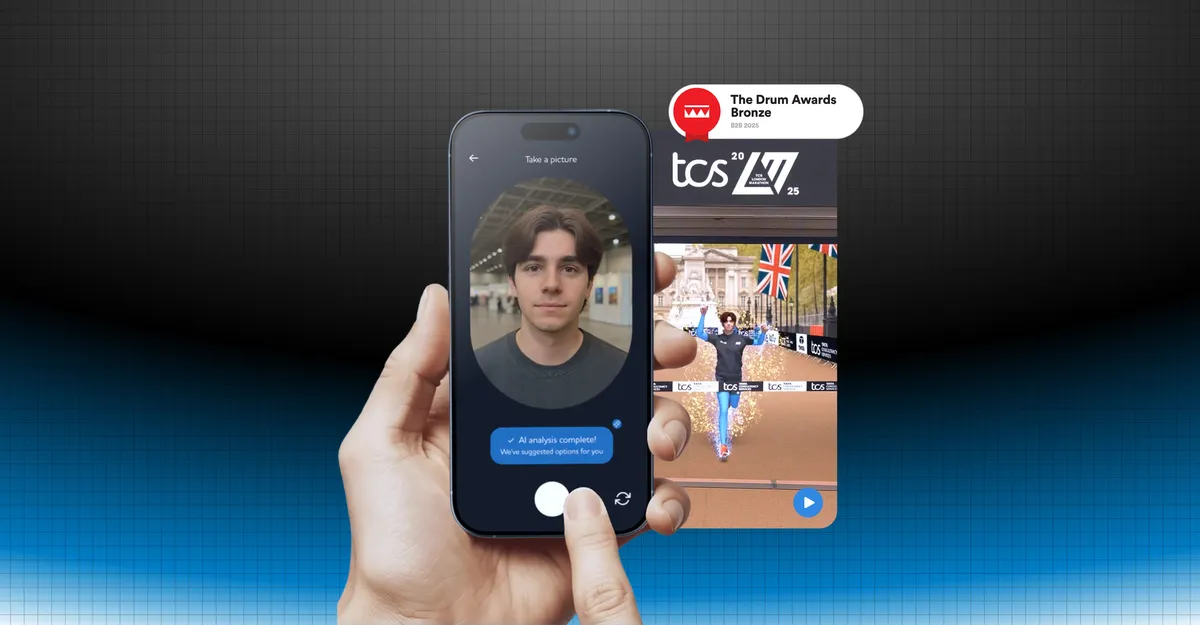
Anmol Patel from TCS explains how they utilised our AI for social media tool, Compass, to create real-time posts for the London Marathon 2024.
Advances in AI are transforming the traditional agency model. See how AI tools like ChatGPT and Compass are changing the future of marketing.
Why Fifty Five and Five set out to transform marketing with AI in 2024, what it means for clients, why AI agents are the future, and why people still matter.
What is MCAPS? Microsoft MCAPS Start for Partners explained: what the event covers, why partners should get involved, and our key takeaways from it.
How the marketing funnel has evolved as B2B buyers research on their own, the factors driving the change, and how to reshape your strategy with ABM.
Six B2B content marketing trends that bring in leads: original research, AI personalisation, video, social as search, voice search and building a community.
Account Manager Dipti Tewani shares her experience at the Women in Tech conference 2024, highlighting key topics and learnings from the talk.
Seven AI trends for B2B businesses from 2024, from AI-enhanced ABM and predictive lead scoring to personalisation at scale, conversational AI and ethics.
In 2024, the B2B buyer market is looking to consolidate technology solutions. Read how to market your tech products as a central tech stack.
Ten pain points in the B2B buyers journey, from choosing tech partners and pricing transparency to compliance, integration and risk, and how to ease each one.
IT marketing strategy for tech companies: research, nurturing leads through the B2B buyer journey, timing, AI and automation, converting and keeping clients.
The future of BPM: why the business process management market is growing, the BPM trends of 2024, and how to reach and market to BPM buyers.
Our tech predictions for 2024 and what they mean for marketers: vendor consolidation, a more-for-less mindset, AI experimentation, digital run and BPM growth.
Five signs your AI marketing tools are a good fit: they understand your business and customers, win over your team, and work with you over the long term.
Five of the best AI marketing tools beyond ChatGPT: Databutton, HubSpot AI, 6sense Revenue AI, PlayHT and Synthesia, with what each one does for a B2B team.
A timeline of the key AI milestones of 2023, from ChatGPT and DALL-E to AI music and new regulation, and what that year of AI means for your business.
Why we built Compass, our AI marketing app: the problem it solves, what makes it different, and how its apps help enterprise tech companies with marketing.
How emotions shape B2B buying behaviour, the emotional factors that affect business buyers, and how to build emotional impact into your B2B campaigns.
How to enter the Microsoft Partner of the Year Awards: why they're worth entering and how to write a winning submission, from a team that writes award entries.
Ilya's uncertainty regarding Sam's role sparks questions about OpenAI's future and the implications for artificial general intelligence.
What the hook in B2B marketing is, with examples: how to develop hooks for campaigns, common mistakes to avoid, and the role personalisation plays.
What the Microsoft AI Cloud Partner Program is, how it replaced the Microsoft Partner Network, its benefits from incentives to co-marketing, and how to join.
Ten B2B digital marketing trends for 2024, from AI personalisation and voice search to AR and VR, video, influencers, and privacy-first, sustainable marketing.
Marketing for tech companies, past, present and future: how B2B technology marketing began, how it has changed, and what marketers should prepare for next.
AI marketing case studies and uses: eight ways AI is applied in marketing, a social media case study with generative AI, and the four types of marketing AI.
B2B gamification explained, with examples: what gamification is, its benefits for B2B marketing, and the steps to make badges, leaderboards and rewards work.
Article to audio: why and how we added AI text to speech to our blog, from researching how other brands use audio to the design and the finished result.
Marketing automation for B2B companies: what it is, its benefits for tech firms, how to build an effective strategy, and the challenges to plan for.
Microsoft is investing $10 billion in OpenAI. Find out how this partnership will impact the Microsoft Partner Network and the product line-up.
AI generated images from text: how tools like DALL-E create images from a prompt, what that means for graphic designers, and whether the results count as art.
How Fifty Five and Five, a UK Microsoft partner, worked with Microsoft UK's Surface team on partner campaigns for primary, secondary and higher education.
Product vs service marketing: how ownership, customisation, delivery and time change the way you sell each, and how cloud and AI have blurred the line.
How to set up A/B testing in Mailchimp step by step: what email A/B testing is, which variables to test, and how to use open and click rates to pick a winner.
How to write a B2B value proposition for a tech company: what a value proposition is, a step-by-step approach, and why the whole organisation should help.
Voice search in B2B marketing: how voice search works, why more people search hands-free, why it matters for B2B, and our tips for optimising your content.
Marketing personas meet Black Mirror: how AI builds synthetic personas from real data, how close fact is to fiction, and why human creativity still matters.
How to build a brand tone of voice that shows your personality, gets everyone writing the same way, reflects your values, and holds up through voice guidelines.
Four lead generation strategies that still work for B2B: microsurveys, influencer and word of mouth marketing, lead magnets, and landing pages that convert.
Our team's top tips for B2B marketing automation: event-based and drip emails, optimised paid media, and scheduling social media campaigns that run themselves.
How to win new work for your business: review the channels you use now, get your whole team involved, tighten your sales process, and keep doing good work.
B2B storytelling that works: why business buyers respond to true, human stories, how to ground a technical product in real people, and where to start.
What a USP is, why it needs a strong value proposition behind it, and how to write one and communicate your USP clearly so your business stands out.
Benchmark marketing in 10 steps: what marketing benchmarks are, why they matter, the types of benchmarking, and how to measure your digital marketing.
Five practical tips to strengthen your cybersecurity marketing strategy, from positioning and messaging to demand generation and thought leadership.
How to create a content strategy in three steps: set goals and KPIs, work out who you're writing for, then build a system to publish, measure and improve.
The importance of backlinks in SEO: why they help you rank on Google, what nofollow links are worth, and ways to earn backlinks, including from competitors.
How to measure AdWords success in Google Ads: the metrics to watch, getting the date range right, budgets and bidding, ad extensions, CTR and regular reports.
Our guide to Microsoft WPC 2016 in Toronto: eTA visa info, airport transfers and taxis, time zones, the parties, talks and keynotes, and sights to see.